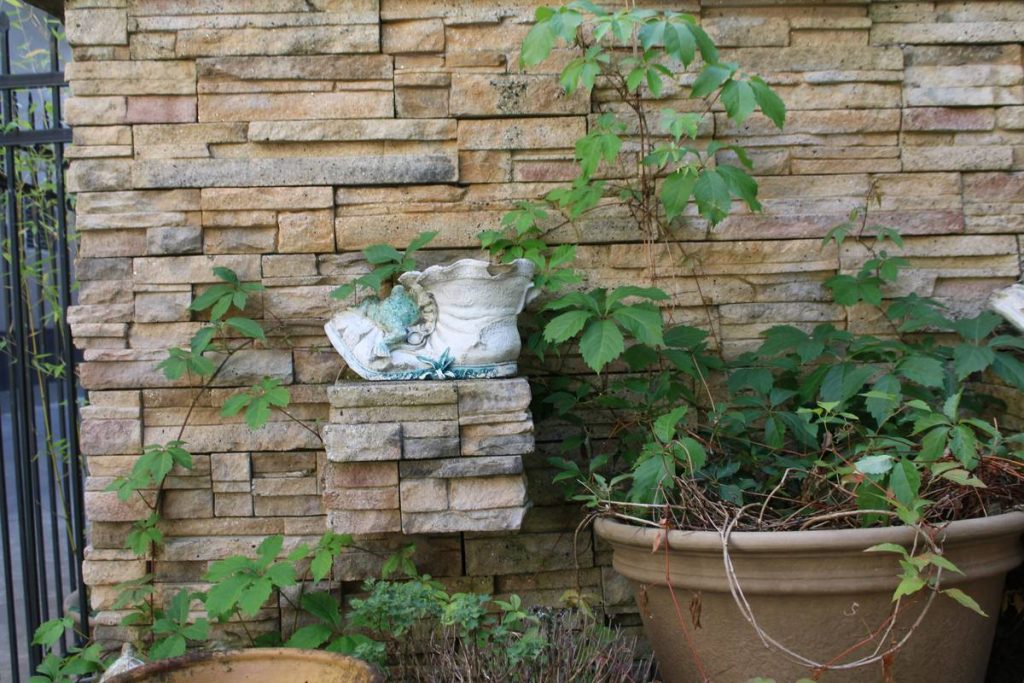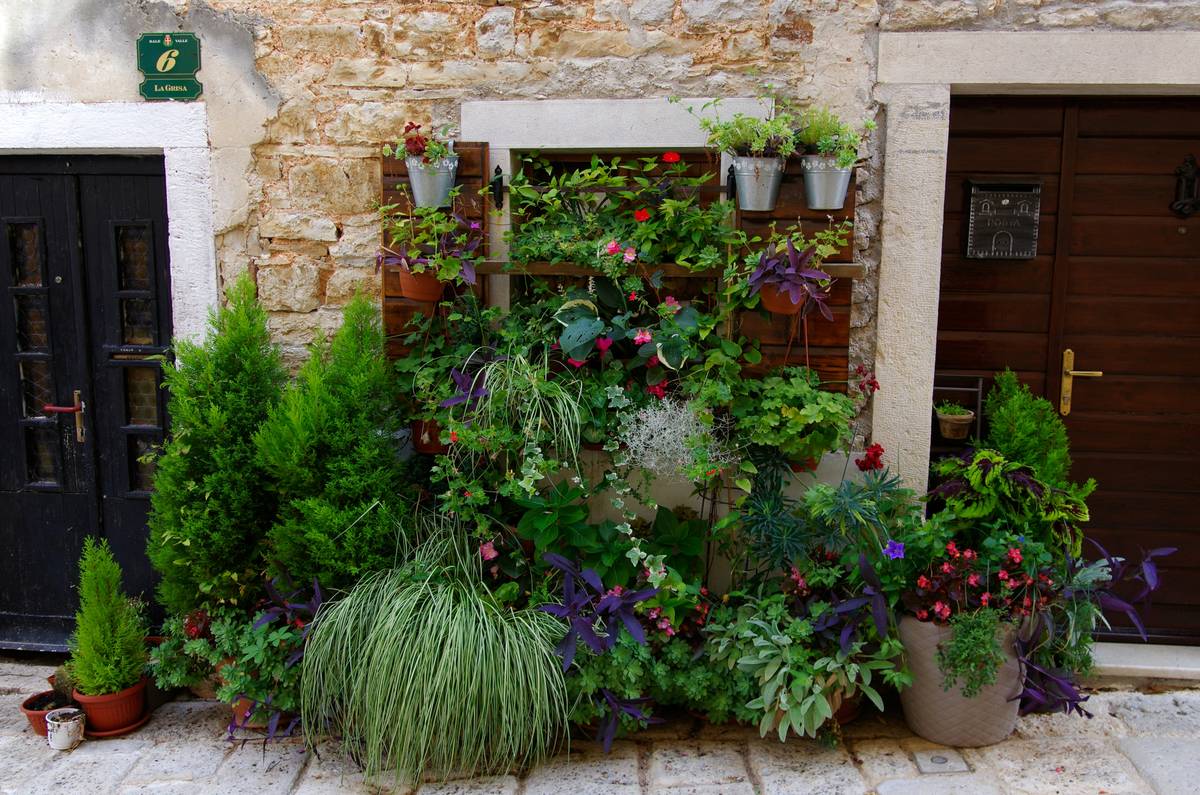
If your outdoor walls feel barren or your potted herbs keep toppling over in the wind, you’re not alone. As someone who once drilled into a load-bearing beam thinking it was “just drywall” (spoiler: it wasn’t), I’ve learned the hard way that wall planters for outdoors demand both style and smarts. In this guide, you’ll get practical, tested advice on choosing, installing, and maintaining outdoor wall planters—without wrecking your siding or wasting money on flimsy décor.
Table of Contents
- Why Outdoor Wall Planters Matter
- Step-by-Step Installation Guide
- Best Practices for Longevity
- Real-World Examples That Work
- Frequently Asked Questions
Key Takeaways
- Not all wall planters withstand rain, UV rays, or freeze-thaw cycles—material choice is critical.
- Improper mounting can damage your home’s exterior or cause planters to fall.
- Drainage isn’t optional; without it, roots rot within days.
- Strategic placement maximizes sunlight while minimizing maintenance headaches.
- You don’t need a green thumb—just smart planning and the right hardware.
Why Outdoor Wall Planters Matter
In dense urban yards or balcony-only spaces, vertical gardening isn’t just trendy—it’s essential. According to the National Gardening Association, over 35% of U.S. households now grow food or ornamentals in small spaces, with wall-mounted systems leading the surge. But beauty aside, wall planters for outdoors solve real problems: they protect fragile plants from ground pests, elevate herbs for easy kitchen access, and transform blank fences into living art.
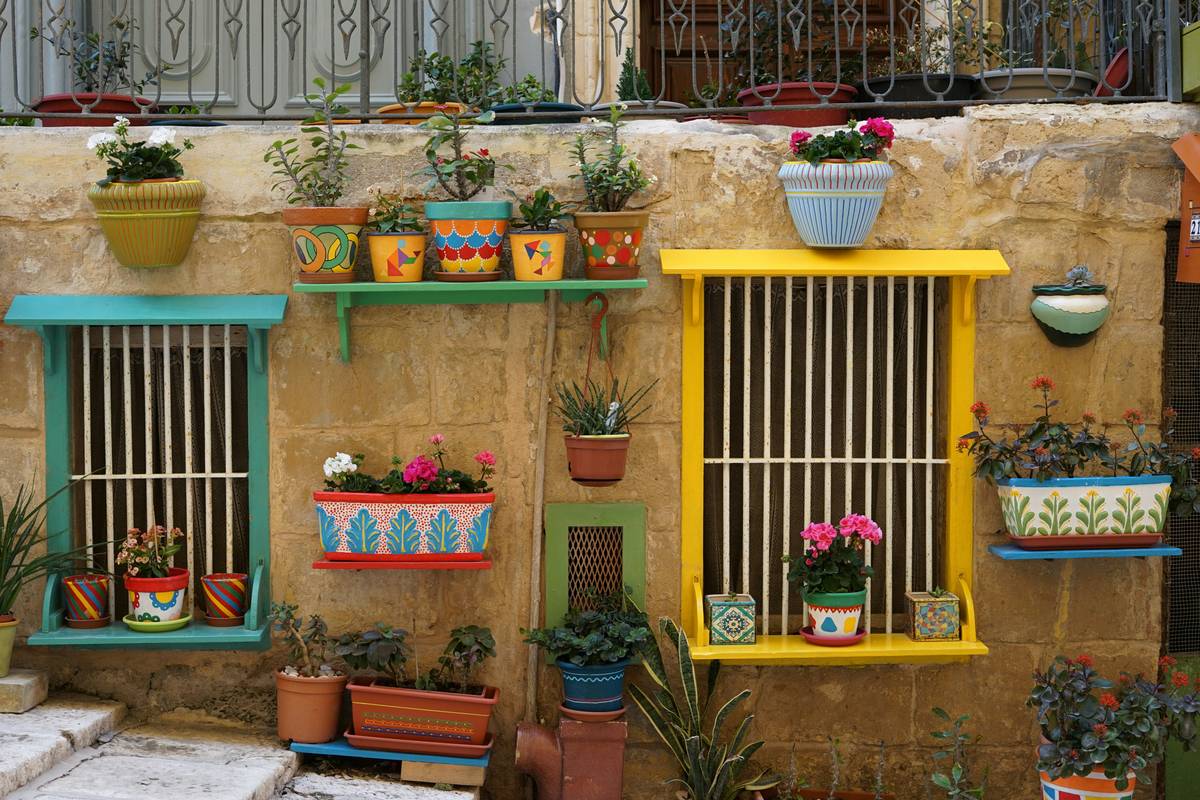
I’ll never forget my first attempt: I hung a ceramic planter on stucco using adhesive hooks rated for “up to 5 lbs.” It held… until monsoon season. The planter crashed down with a sound like a dropped casserole dish, scattering soil across my patio and killing my prized mint. Lesson learned: outdoor conditions demand serious engineering, not just aesthetics.
Step-by-Step Installation Guide
1. Assess Your Wall Material
Wood siding? Stucco? Brick? Each requires different anchors. Brick needs masonry bits and sleeve anchors; wood accepts lag screws; stucco often hides wood or metal lath—so pilot holes are non-negotiable. When in doubt, consult a structural guide like those from the Federal Emergency Management Agency (FEMA) on safe exterior modifications.
2. Choose the Right Planter
Prioritize materials built for weather: powder-coated steel, marine-grade teak, or UV-stabilized polypropylene. Avoid untreated wood or thin ceramics—they crack under temperature swings. Ensure every planter has drainage holes; if it doesn’t, drill them yourself (¼-inch diameter, spaced 3–4 inches apart).
3. Mount Securely—and Test
Use corrosion-resistant hardware (stainless steel or zinc-plated). For heavy planters (>8 lbs when wet), anchor into wall studs or use heavy-duty toggle bolts. After mounting, do a “tug test”: gently pull downward with increasing force. If it shifts, re-anchor immediately.
Best Practices for Longevity
- Rotate plants seasonally: Swap frost-tender geraniums for cold-hardy pansies come fall.
- Line terra cotta: Use coconut coir liners to slow moisture loss and prevent cracking.
- Clean twice yearly: Scrub with diluted vinegar (1:3 ratio) to remove algae and mineral deposits.
- Avoid this terrible tip: Never “double-pot” plastic nursery containers inside decorative wall planters without drainage—they trap water like a bathtub, drowning roots in days.
Real-World Examples That Work
A Portland homeowner transformed her narrow alley-facing wall into a vertical herb garden using recycled aluminum wall planters for outdoors. Mounted on pressure-treated plywood backing (to protect the shingle siding), the setup survived three winters with zero maintenance beyond seasonal replanting. Her secret? Self-watering reservoirs built into each planter base—a feature recommended by the University of Illinois Extension for drought-prone zones.
Meanwhile, a Miami condo resident uses modular PVC planters along his lanai railing. The interlocking system holds bougainvillea that blooms year-round, thanks to full sun exposure and weekly liquid seaweed feed. “I used to think wall planters were just for flowers,” he told us. “Now I grow cherry tomatoes vertically—five feet off the ground, safe from squirrels.”
For more about our design philosophy and sustainability standards, see our About Us page.
Frequently Asked Questions
Can wall planters for outdoors survive winter?
Yes—if made from frost-resistant materials like fiberglass, metal, or certain plastics. Empty them before freezing temps hit, or store indoors if possible.
How much weight can outdoor wall planters hold?
Most quality models support 5–15 lbs when properly mounted. Always check manufacturer specs and anchor into structural supports for loads over 8 lbs.
Do I need special soil for vertical planters?
Use a lightweight potting mix with perlite or vermiculite—not garden soil. It drains faster and prevents compaction in confined spaces.
Are wall planters bad for house siding?
Only if installed incorrectly. Maintain a 1–2 inch air gap behind the planter to prevent moisture buildup. Never attach directly to vinyl siding without spacers.
What plants thrive in wall planters for outdoors?
Succulents, herbs (thyme, oregano), trailing lobelia, and dwarf conifers perform exceptionally well due to shallow root systems and moderate water needs.
Can I install them myself?
Absolutely—provided you match hardware to your wall type. When uncertain, hire a handyman for the initial mount; it’s cheaper than repairing cracked stucco or rotted wood later.
Ready to elevate your exterior with worry-free greenery? Share your vision with our team—we’d love to help you pick the perfect setup. Contact us today. And rest assured, we respect your data: our full Privacy Policy outlines how we protect your information.