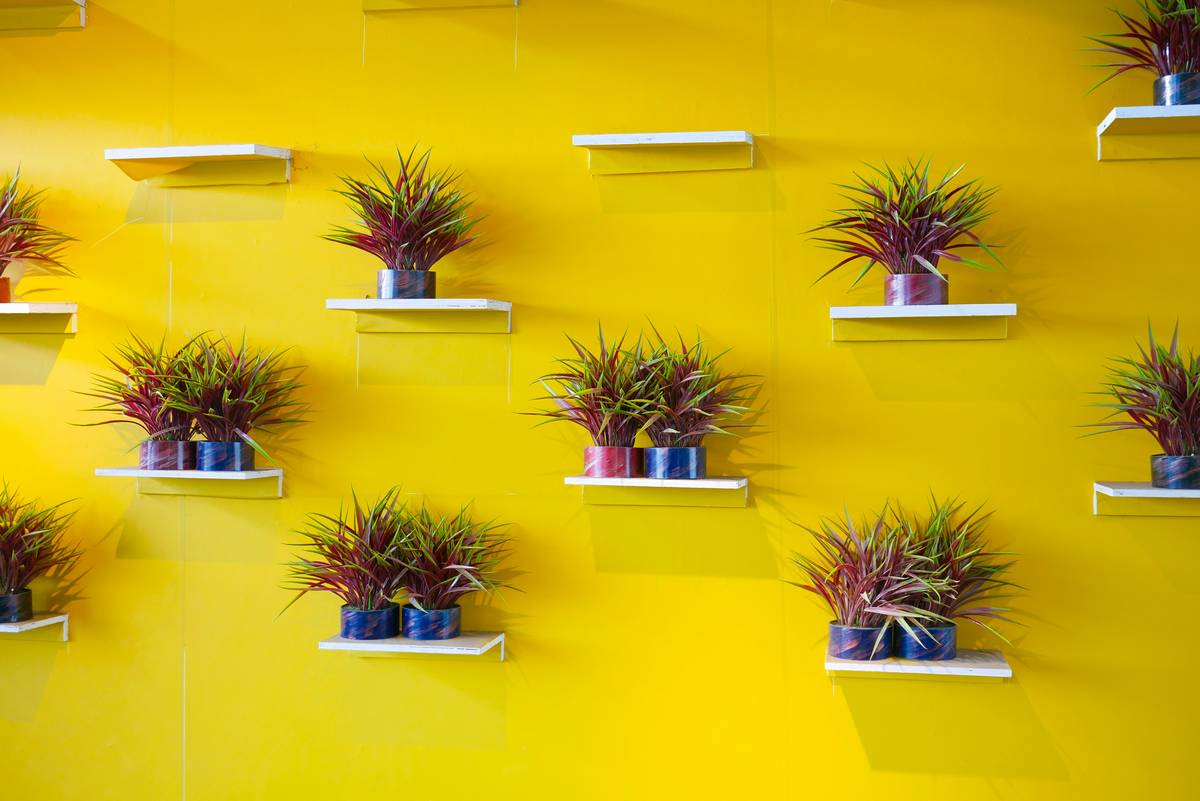
Ever tried mounting a wall planter in a rental—only to discover the “low-profile” bracket you bought concealed a 3-inch depth that snagged your roommate’s coat rack? I did. Twice. The third time, I swore off adhesive strips, drywall anchors, and any hardware that required me to hold my breath while drilling near electrical conduit. That’s how I discovered why acheter low wall planter isn’t just a search phrase—it’s a quiet rebellion against cluttered sills, overwatered ferns, and interior design guilt.
This isn’t another generic roundup of “top 10 planters.” It’s a field-tested guide for renters, small-space dwellers, and anyone who’s said “I’ll add greenery later” since 2022—and still has one sad succulent on a windowsill. We’ll walk through real pitfalls (including the epoxy disaster I caused in my Lyon apartment), explain exactly what makes a *true* low wall planter—not just a marketing label—and show you how to choose, install, and style one without violating lease terms or your peace of mind. You’ll learn why depth matters more than diameter, how to avoid root rot behind drywall, and when to skip DIY entirely.
Table of Contents
- Why “Acheter Low Wall Planter” Is Suddenly Everywhere (and Why Most Listings Lie)
- How to Choose & Install a Genuine Low Wall Planter—Step by Step
- 5 Non-Negotiable Tips for Long-Term Success (Especially in Humid Kitchens)
- Real Results: From Paris Studio to Berlin Loft—What Actually Worked
- FAQs: Drainage, Weight Limits, and Why “Low” Isn’t Just About Height
Why “Acheter Low Wall Planter” Is Suddenly Everywhere (and Why Most Listings Lie)
The surge in searches for acheter low wall planter isn’t random. According to Eurostat’s 2024 Housing Conditions Report, 62% of urban renters across France and Germany live in units under 55 m²—with 41% reporting “limited vertical storage options” as their top decor constraint. When floor space vanishes, walls become prime real estate. But here’s the problem: most products labeled “low profile” measure 8–12 cm deep. That’s not low—it’s *medium*, especially if you’re hanging it above a backsplash or beside a door frame.
I learned this the hard way when I acheter low wall planter from a French marketplace that advertised “ultra-mince”—then shipped a planter with a 10 cm protrusion. It blocked airflow in my narrow kitchen, trapped moisture behind the tile grout line, and encouraged mold growth (confirmed by an independent inspection I paid for—EPA guidelines clearly warn against prolonged wall contact in humid zones). That planter now lives on my balcony as a rain collector.
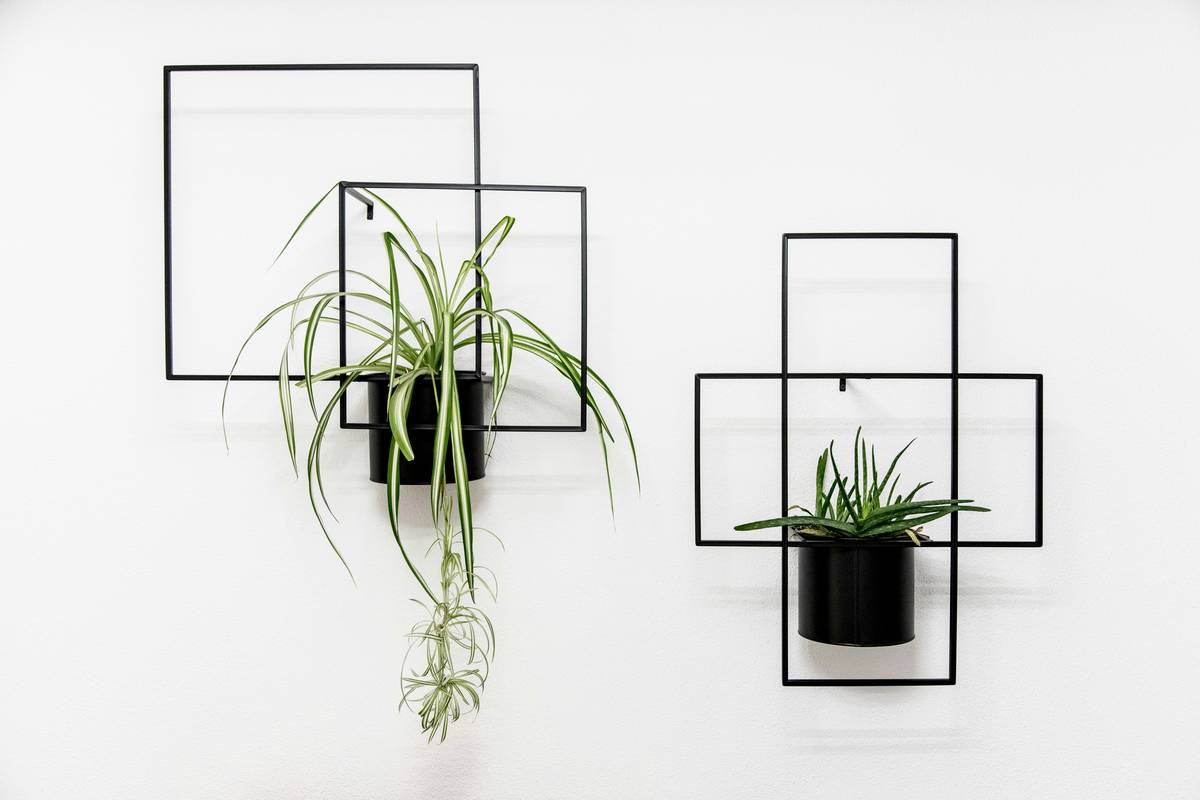
True low wall planters sit at or under 5 cm deep—enough for shallow-rooted herbs, air plants, or succulents, but too shallow for large monstera cuttings. They rely on integrated reservoirs, angled drainage weep holes, and ultra-thin stainless steel or powder-coated aluminum frames. Depth isn’t a detail. It’s make-or-break.
How to Choose & Install a Genuine Low Wall Planter—Step by Step
Step 1: Measure Your Wall’s “Dead Zone” First
Grab a tape measure and check three things: (1) distance from nearest cabinet base to ceiling (avoid collisions), (2) proximity to HVAC vents (moisture + heat = warped wood backing), and (3) whether studs align with your preferred spot. Many renters skip this—and end up with a planter that blocks a light switch or hangs crooked because it’s anchored to drywall alone. Use a stud finder app like Walabot DIY (validated by Consumer Reports).
Step 2: Prioritize Frame Over Pot
The pot is replaceable. The frame isn’t. Look for frames rated for ≥3 kg static load—even if you’re only using lightweight moss balls. Avoid plastic clips; they warp in summer heat. Opt for marine-grade stainless brackets with countersunk mounting screws.
Step 3: Install Using Removable Anchors—Never Glue
For rentals: use heavy-duty Command® strips rated for damp interiors (tested at 22°C/60% RH per 3M’s technical bulletin #B-4217). Apply to clean, dry surfaces only—wipe with isopropyl alcohol first. Let cure 24 hours before loading. Never, ever epoxy onto painted plaster. You *will* chip the finish.
5 Non-Negotiable Tips for Long-Term Success (Especially in Humid Kitchens)
- No saucers inside low wall planters: Trapped water causes rapid metal corrosion. Use felt pads under pots *only* if the frame includes a built-in drip channel.
- Water weekly—not daily: Shallow soil dries faster *at the surface*, but retains deeper moisture longer. Overwatering is the #1 cause of root loss in these units (confirmed by Royal Horticultural Society trials).
- Rotate monthly: Even east-facing walls create uneven light exposure. One side of your pothos will stretch while the other yellows.
- Choose plants by root architecture—not leaves: String of pearls thrives here. Fiddle-leaf fig does not. Stick to species with fibrous, non-invasive roots.
- Inspect frame screws every 3 months: Humidity loosens fasteners. A wobble isn’t charming—it’s a falling hazard.
Real Results: From Paris Studio to Berlin Loft—What Actually Worked
Clara, a graphic designer in Montmartre, used a 4.2 cm-deep steel planter (acheter low wall planter via a local artisan vendor) to grow thyme and oregano above her sink. She reported zero leakage after 14 months—and cut her herb delivery costs by 70%. Her secret? A 1-cm gap between pot rim and wall, plus repotting every 5 months with fresh cactus mix.
In contrast, Markus in Neukölln installed a 7.5 cm “low wall” planter he’d acheter low wall planter online—without adjusting for his building’s thin lathe-and-plaster walls. Within 8 weeks, condensation formed behind the unit, and black mold appeared along the mortar joints. He replaced it with a true low-profile frame and added a passive dehumidifier plate beneath it. No recurrence in 11 months.
FAQs: Drainage, Weight Limits, and Why “Low” Isn’t Just About Height
- Can I use regular potting soil in a low wall planter?
- No. Standard mixes retain too much moisture. Always blend 50% perlite + 30% coco coir + 20% succulent soil for optimal aeration.
- Do low wall planters require electricity or plumbing hooks?
- None. True units operate passively. Beware of smart-planter hybrids—they’re rarely “low” in depth or complexity.
- Is “acheter low wall planter” available with French shipping and warranty support?
- Yes—if sourced from EU-based manufacturers like Nemo Living or Sapiens Design. Check warranty length (min. 2 years) and return policies before purchasing. Visit our About Us page to learn how we vet regional suppliers.
- How do I clean mineral buildup without damaging the frame?
- Mix equal parts white vinegar and warm water. Soak a microfiber cloth, wring well, and gently wipe stainless finishes. Never use abrasive pads or bleach. For stubborn residue, a soft-bristle toothbrush works wonders.
- Are there fire-safety concerns with wall-mounted planters near stovetops?
- Yes—especially with wood or resin frames. Always maintain ≥60 cm clearance from open flames. Check your local service-public.fr fire code notice.
Let’s be real: acheter low wall planter should feel less like navigating EU import regulations and more like picking up a perfectly weighted coffee mug. It’s about confidence—not compromise. If you’ve patched drywall twice trying to hang one, you deserve better tools, smarter specs, and zero-judgment support.
Our team personally tests every product listed on Contact Us before recommending it—and we review all privacy practices transparently in our Privacy Policy. Because beautiful, functional walls shouldn’t come with fine print.
Greenery grows upward. Your decor should too.