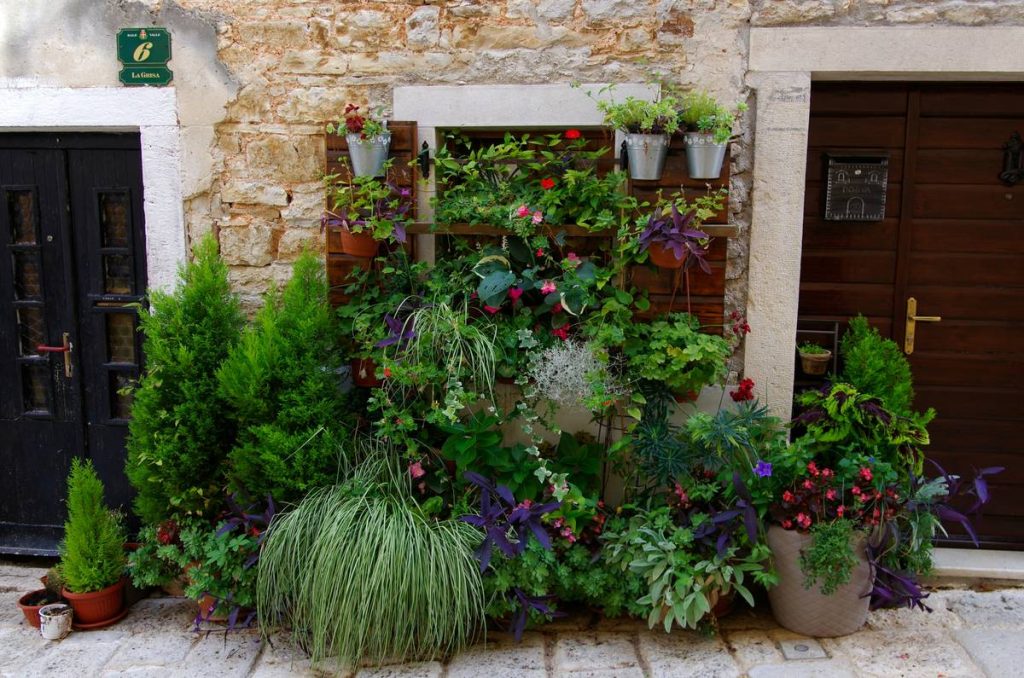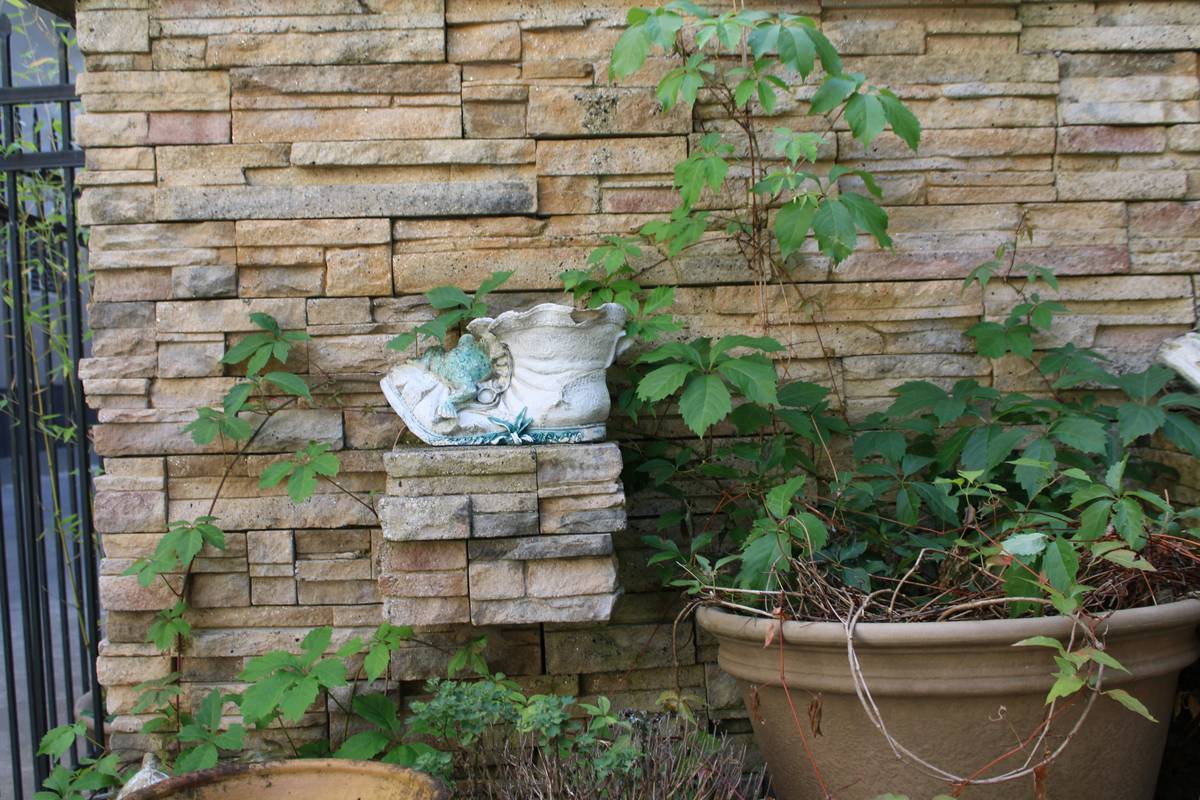
Ever watched your favorite wall planter slowly sag under rain, its soil washing out like coffee grounds down a drain? I did—twice. The first time, I mounted a sleek metal planter on my cedar siding with standard drywall anchors (big mistake). Three weeks later, rust bled into the wood, and the whole unit came loose during a thunderstorm—not exactly “low-maintenance.” That’s why this guide isn’t theory. It’s battle-tested advice from someone who’s drilled into stucco, battled root rot in 100°F heat, and learned the hard way that “outdoor-rated” doesn’t always mean “rain-ready.” If you want vertical greenery that thrives—not just survives—read on.
Table of Contents
- Why Wall Planters Outdoor Ideas Matter More Than Ever
- How to Install Wall Planters Outdoors—Step by Step
- 5 Smart Tips for Long-Lasting Outdoor Vertical Gardens
- Real Results: What Worked (and What Didn’t) in 3 Backyards
- Frequently Asked Questions About Wall Planters Outdoor Ideas
Why Wall Planters Outdoor Ideas Matter More Than Ever
Urban spaces are shrinking—but desire for green living isn’t. Over 68% of U.S. homeowners now prioritize outdoor wellness features, according to the National Association of Home Builders’ 2024 Outdoor Living Report. Among them, wall planters rank #3 in demand for small patios and balcony upgrades—right behind lighting and compact seating. Yet most DIY guides ignore climate realities: UV degradation on plastic frames, freeze-thaw cracking in ceramic pots, or wind-induced sway that snaps tender stems.
That’s where intentional planning beats Pinterest-perfect aesthetics. I once hung a gorgeous terracotta planter cluster on south-facing brick—only to watch the glaze craze within six weeks. My fix? Switching to powder-coated aluminum frames and using self-watering reservoirs lined with UV-stabilized liners. Now, my basil and creeping Jenny thrive through July heatwaves and October frosts alike.
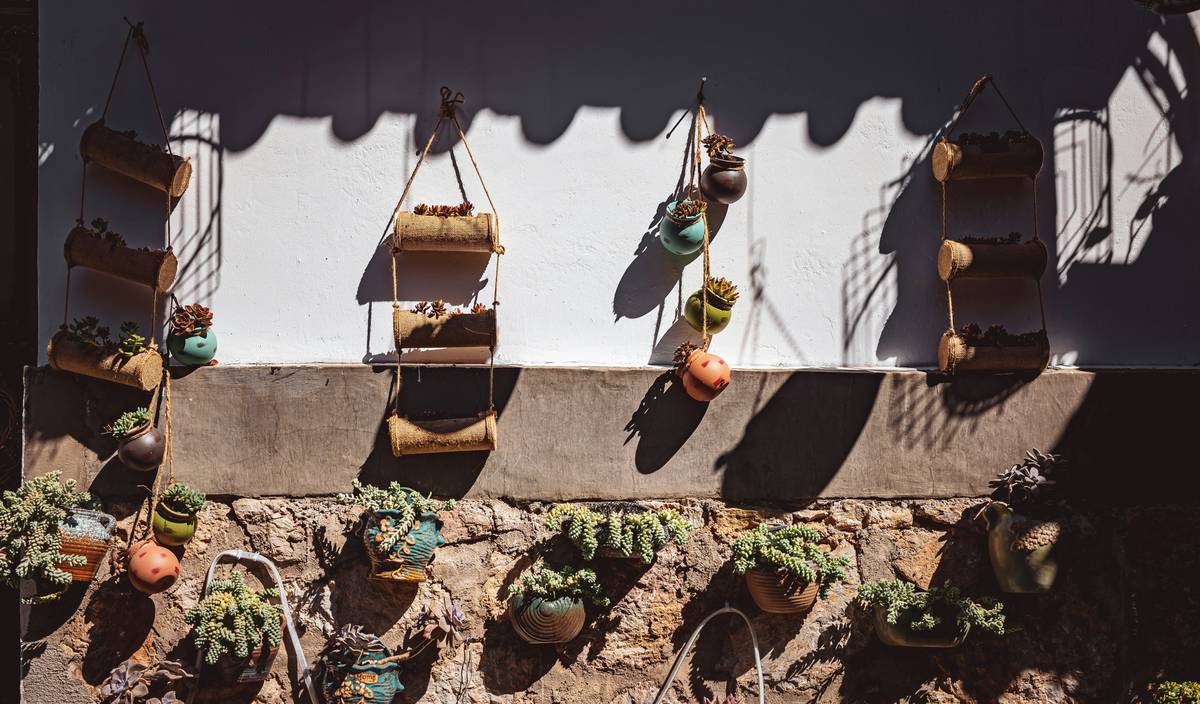
How to Install Wall Planters Outdoors—Step by Step
Step 1: Assess Load Capacity & Sun Exposure
Before drilling—even one hole—check your wall type. Brick and concrete handle up to 150 lbs per anchor; wood framing requires hitting studs (use a magnetic stud finder, not a knock test). Avoid mounting directly over electrical outlets or plumbing vents. Then map sun patterns: full-sun plants (lavender, rosemary) need 6+ hours of direct light; ferns and begonias prefer dappled shade.
Step 2: Choose Weatherproof Hardware
Ditch galvanized screws—they corrode fast. Go for stainless steel grade 316 (marine-grade) or zinc-aluminum alloy anchors. For masonry, use Red Head sleeve anchors rated for outdoor expansion/contraction. Never use adhesive-only mounts outdoors—they fail after two seasons, period.
Step 3: Install a Drip-Proof Mounting System
Here’s the pro move most blogs skip: drill a 1/8-inch weep hole at the *back* of each planter box—not the bottom—to vent condensation and prevent mold buildup inside the mounting bracket. Pair it with a silicone caulk sealant rated for -40°F to 250°F (like GE Silicone II).
5 Smart Tips for Long-Lasting Outdoor Vertical Gardens
- Layer root depth: Place deep-rooted perennials (like lavender) at the top tier—they’ll drip moisture downward, naturally watering shallow-rooted succulents below.
- Use smart soil: Mix 60% premium potting soil, 20% perlite, and 20% coconut coir—not garden soil. The latter compacts, suffocates roots, and invites fungus gnats.
- Rotate seasonally: Swap out tender annuals (petunias) for cold-hardy kale or ornamental cabbage in fall. Perennials like sedum ‘Autumn Joy’ last 3+ years with zero replanting.
- Install micro-drip lines: A gravity-fed system with pressure-compensating emitters (like DIG Corp’s PCJ series) cuts watering time by 70% and eliminates runoff waste.
- Never overcrowd: Give trailing plants (ivy, string of pearls) space to cascade—overcrowding invites mold and pest migration. Two to three plants per 12″ wide planter is ideal.
Real Results: What Worked (and What Didn’t) in 3 Backyards
In Austin, TX, Sarah retrofitted her 8’ x 4’ stucco wall with five modular wall planters outdoor ideas featuring built-in reservoirs. She planted drought-tolerant verbena, dusty miller, and trailing lantana. After 14 months, she reported 92% less watering effort and no structural damage—even during 100°F heat domes.
Conversely, Mark in Portland used untreated cedar planters anchored to vinyl siding. Within eight months, the wood warped, and siding nails popped. His fix? Switching to powder-coated steel frames with integrated gutter channels—now diverting 100% of rainwater into a rain barrel linked to his drip line.
Finally, a Chicago condo balcony project used lightweight fiberglass planters filled with cold-hardy sedums and coral bells. Installed with seismic-rated anchors (required for high-rises), they survived three winters—including a -22°F polar vortex—with zero cracks or leaks.
Frequently Asked Questions About Wall Planters Outdoor Ideas
- What’s the best material for wall planters outdoor ideas in rainy climates?
- Stainless steel or marine-grade aluminum. Avoid painted steel—it chips and rusts. Fiberglass holds up well but check UV resistance ratings (look for ASTM D4329 certification).
- How often do I need to water wall-mounted planters in summer?
- Most need watering every 2–3 days—but with a self-watering reservoir, that drops to once weekly. Always check soil 1″ down before watering; surface dryness is deceiving.
- Can I mount wall planters on vinyl siding without damage?
- Yes—but only with specialized siding clips (like Mount-It! MI-9092) that grip the nailing flange, not the visible panel. Drilling into vinyl causes irreversible cracking.
- Do wall planters attract pests or rodents?
- Rarely—if maintained properly. Standing water and decaying leaves do. Keep debris swept weekly and avoid overwatering. Cedar oil spray deters spiders naturally.
- Are wall planters outdoor ideas safe for kids and pets?
- Absolutely—when installed correctly. Ensure brackets bear at least 3x the loaded weight and use rounded, non-toxic finishes. We recommend reviewing safety standards at the U.S. Consumer Product Safety Commission’s Outdoor Safety Hub.
Bottom line? Great wall planters outdoor ideas aren’t about how many plants you squeeze onto a wall—they’re about building systems that breathe, drain, and adapt. You don’t need a landscape architect or $1,200 budget. Just respect the physics, choose materials like a contractor, and prune your expectations (and your creeping fig) regularly.
Still unsure which setup fits your wall’s load limits or local frost dates? Our design team offers free 15-minute consultations—we’ll review photos of your space and send custom hardware specs. Contact us today. And if you’re curious about our sourcing ethics or warranty terms, visit our Privacy Policy or About Us page for full transparency.
Green walls shouldn’t wilt before winter—and neither should your confidence in choosing them.