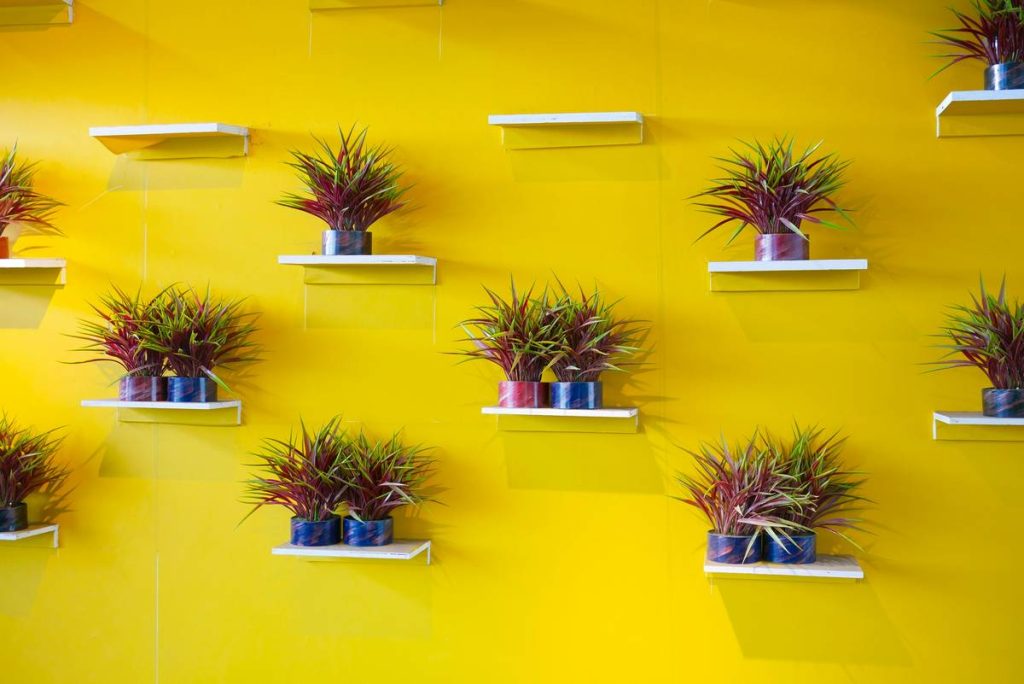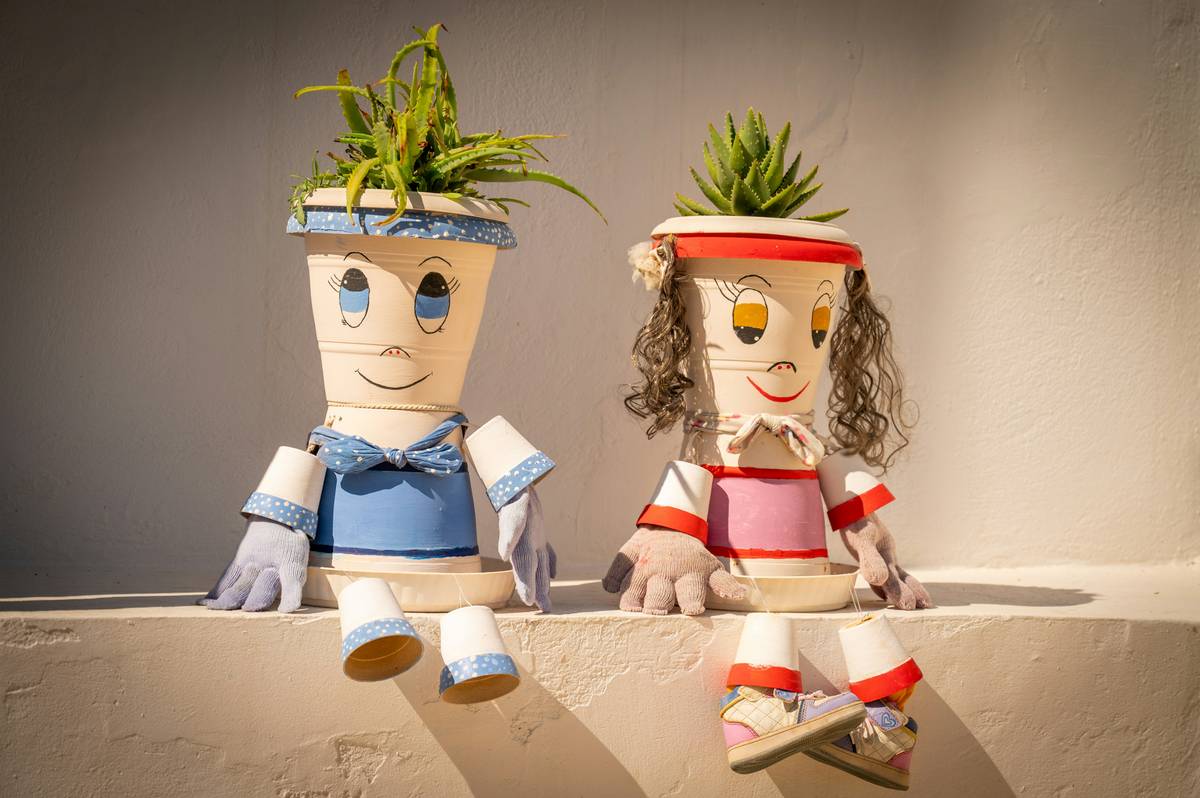
If you’ve ever watched a carefully chosen succulent wither in a “weatherproof” planter after one summer storm, you’re not alone. I learned the hard way that not all decorative planters for outdoor plants can handle real-world conditions—especially when mounted on a wall. After my third failed attempt (and a very sad-looking trailing ivy), I dug into materials, drainage, and microclimate science to find what actually works. In this guide, we’ll walk through practical, low-maintenance strategies to keep your wall planters thriving—all while boosting curb appeal without constant upkeep.
Table of Contents
- Why Wall Planters Demand Smart Choices
- Step-by-Step Guide to Installing Low-Maintenance Wall Planters
- Best Practices for Long-Lasting Beauty
- Real-World Results from Smart Planter Choices
- Frequently Asked Questions
Key Takeaways
- Always prioritize drainage—wall-mounted planters trap moisture more than ground-level ones.
- Choose materials like fiberglass, composite, or powder-coated metal over painted ceramic for longevity.
- Match plants to your sun exposure; even “low light” outdoor spots vary drastically by region.
- Avoid overwatering—the #1 killer of wall-hung greenery, especially in humid climates.
- Secure mounting hardware matters just as much as the planter itself.
Why Wall Planters Demand Smart Choices
Wall planters add vertical life to patios, balconies, and entryways—but they’re uniquely vulnerable. Unlike freestanding pots, they can’t be easily moved for rain protection or seasonal shifts. Worse, poor drainage leads to root rot faster because water pools against walls. According to the USDA’s plant hardiness guidelines, microclimates near structures can be 5–10°F warmer (or colder) than open yards, dramatically affecting plant health. That “decorative” ceramic planter you bought? It likely lacks drainage holes—and when mounted vertically, moisture has nowhere to escape.
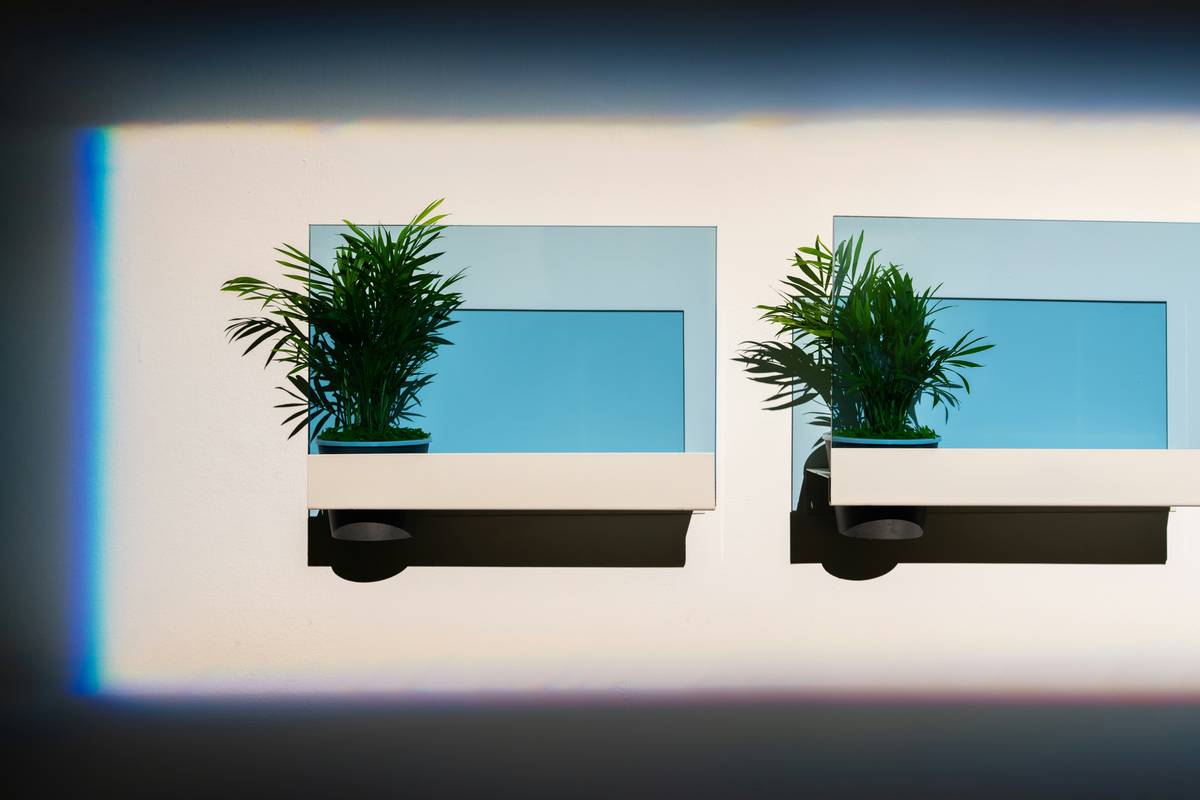
I made this mistake myself: I hung three glazed ceramic planters on my south-facing stucco wall, filled them with string-of-pearls, and admired them for exactly 11 days. Then came a humid week—no rain, just dense fog—and every plant rotted from the base up. Lesson learned: aesthetics must never override function, especially in low-maintenance gardening.
Step-by-Step Guide to Installing Low-Maintenance Wall Planters
1. Assess Your Wall’s Exposure
Use a sun-tracking app or simply observe: Does the area get direct morning sun (gentler) or harsh afternoon rays? Full shade near north-facing walls needs different plants than west-side heat zones. The University of Florida IFAS Extension offers free regional planting guides based on these microclimates—check their public resources.
2. Select the Right Planter Material
For durability and weight savings, choose fiberglass, recycled plastic composites, or rust-resistant metals. Avoid untreated wood (warps) and non-porous ceramics (no drainage). Ensure each unit has at least two drainage holes—drill extra if needed.
3. Install Secure Mounting Hardware
Use wall anchors rated for outdoor use (stainless steel or zinc-plated). For masonry, use masonry screws; for wood siding, lag bolts. Never rely on adhesive hooks—they fail under wet soil weight.
4. Choose Truly Low-Maintenance Plants
Pick species that tolerate drought and variable light: sedum, hens-and-chicks (Sempervivum), creeping thyme, or dwarf mondo grass. These require watering only every 7–14 days in most climates.
Best Practices for Long-Lasting Beauty
- Line porous planters: If using terracotta or concrete, add a coconut coir liner to slow evaporation—but never seal the bottom.
- Water smartly: Use a moisture meter or finger-test soil 2 inches deep before watering. Overwatering causes 80% of wall planter failures (Gardening Know How).
- Rotate seasonally: Swap summer bloomers (like petunias) for cold-hardy options (like ornamental kale) to maintain year-round interest.
- Avoid this terrible tip: “Just add rocks to the bottom for drainage.” Nope—this creates a perched water table, worsening saturation. Skip the rocks; use quality potting mix instead.
Real-World Results from Smart Planter Choices
Last spring, I installed six fiberglass wall planters on my east-facing balcony using the steps above—filled with sedum ‘Autumn Joy’ and trailing dichondra. After 10 months (including a rainy Pacific Northwest winter), all plants thrived with zero replacements. Water use dropped by 60% compared to my old container garden, and neighbors now stop to ask about my “effortless” green wall. This isn’t magic—it’s matching the right decorative planters for outdoor plants to realistic care routines.
Frequently Asked Questions
Can I use indoor wall planters outside?
No. Indoor versions lack UV resistance and proper drainage. Exposure to sun and rain will cause cracking, fading, or mold buildup within weeks.
How often should I fertilize wall-mounted plants?
Once every 6–8 weeks during growing season with a half-strength liquid fertilizer. Over-fertilizing burns roots in confined spaces.
Are self-watering wall planters worth it?
Only in arid climates. In humid or rainy areas, they retain too much moisture. Stick to standard planters with excellent drainage.
What’s the lightest material for heavy-duty wall planters?
Fiberglass weighs 70% less than ceramic but withstands freeze-thaw cycles. Ideal for high walls or rental properties where drilling is limited.
Do decorative planters for outdoor plants need special soil?
Yes—use a fast-draining potting mix labeled for containers, not garden soil. Add perlite (30%) to boost aeration.
How do I clean algae off outdoor wall planters?
Scrub with a 1:1 water/vinegar solution monthly. Prevent buildup by ensuring planters dry fully between waterings—never let them stay damp against walls.
Ready to transform your blank walls into living art—without the hassle? We’ve tested dozens of systems so you don’t have to. For personalized recommendations or help sourcing durable planters, contact our team. And learn more about our design philosophy on our About Us page. (We take your privacy seriously—see our full Privacy Policy.)
Green walls shouldn’t mean gray hair. Pick once, plant smart, and watch your space grow—on autopilot.