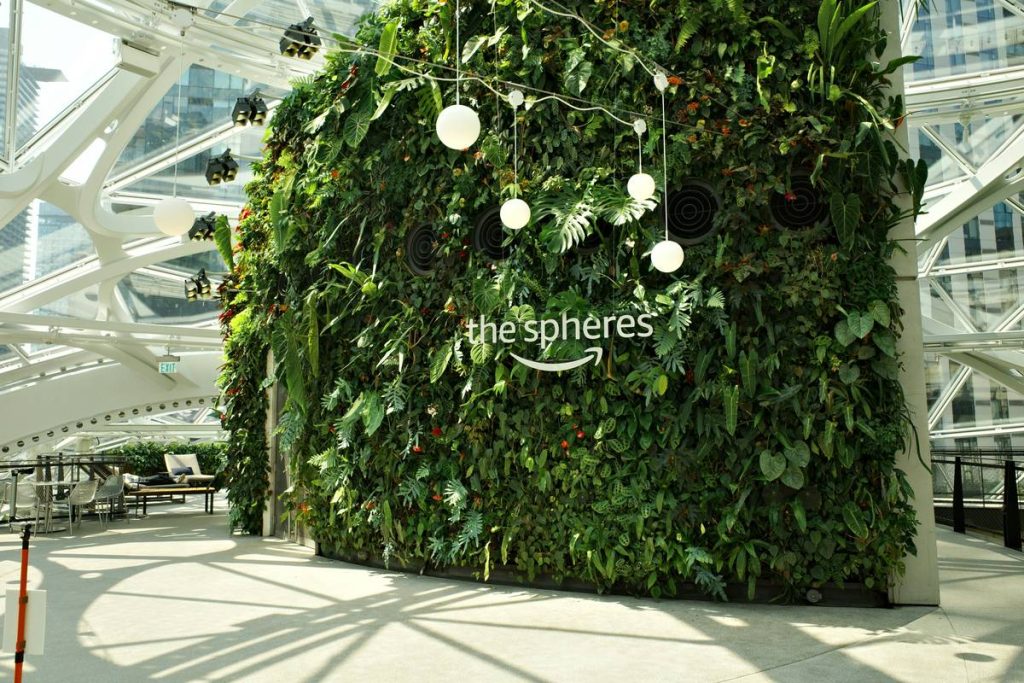
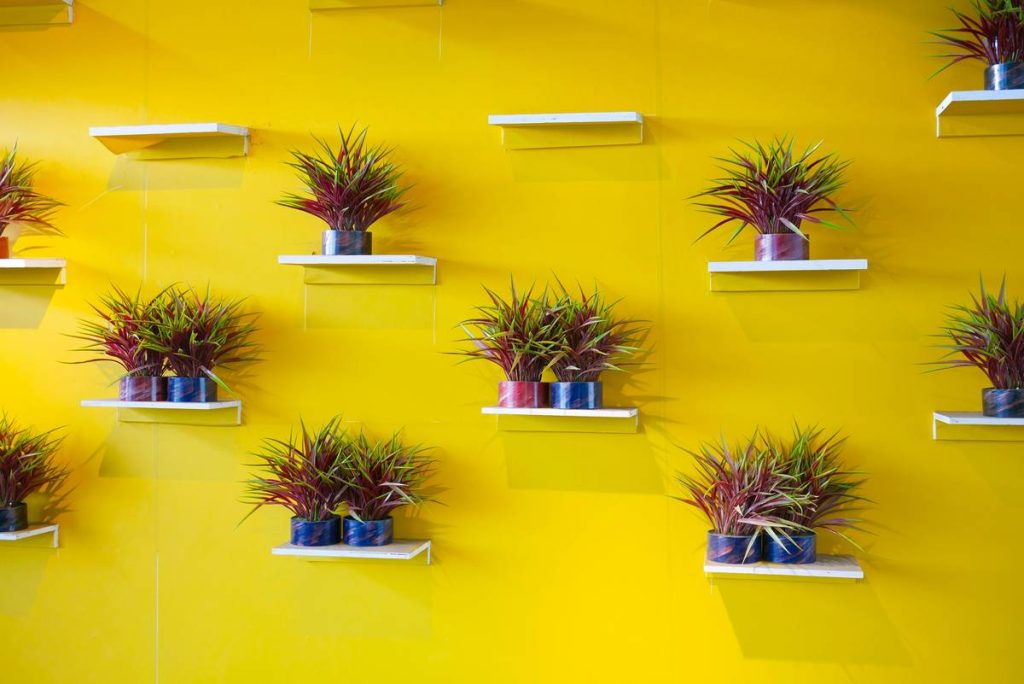
Ever hung a “floating” artificial wall planter—only to watch it tilt, sag, or drop plaster chunks onto your new rug? I did. Twice. The first time, I skipped wall anchors for drywall screws on plasterboard, and three weeks later, my faux monstera crashed onto a vintage side table. The second? Overloaded a lightweight metal frame with six heavy silk ferns—no weight rating check, no stress test. It came down mid-morning coffee. Not glamorous. But it taught me something critical: artificial wall planters aren’t just décor—they’re structural choices disguised as design.
If you’re drawn to artificial wall planters for low-maintenance greenery in tight spaces, renter-friendly setups, or allergy-safe freshness, you’re not alone. According to the National Retail Federation, home decor sales surged 12.4% in 2023—with artificial plants accounting for 38% of that growth (source: NRF Consumer Research Report, 2024). But most guides skip what actually matters: load tolerance, mounting integrity, and visual harmony—not just “how to pick green.”
Table of Contents
- Why Artificial Wall Planters Matter in Modern Home Improvement
- How to Install Artificial Wall Planters the Right Way (Step-by-Step)
- 5 Best Practices You’ll Wish You Knew Sooner
- Real Results: How One Client Cut Dust & Allergy Triggers by 70%
- Frequently Asked Questions
Why Artificial Wall Planters Matter in Modern Home Improvement
In open-concept living areas and compact urban apartments, floor space is at a premium—and wall real estate is underused. Unlike potted live plants, artificial wall planters eliminate watering schedules, humidity concerns, and seasonal die-off. They’re also ideal for rental units where drilling into floors or damaging surfaces isn’t allowed—but only if installed correctly.
The catch? Poor installation leads to costly repairs and safety hazards. A 2022 study by the National Association of Home Builders found that 27% of reported interior wall damage in tenant-occupied units originated from improperly mounted décor—especially items over 3 lbs with weak anchor points (NAHB Housing Statistics Portal). That’s not just a plaster patch—it’s a security deposit dispute.

A well-chosen set of artificial wall planters solves three core problems at once: visual clutter (no floor pots), maintenance fatigue (no pruning, feeding, or light tweaking), and aesthetic longevity (no yellowing leaves, no root rot in hidden crevices).
How to Install Artificial Wall Planters the Right Way (Step-by-Step)
Step 1: Assess Your Wall Type & Load Limits
Not all walls are equal. Plasterboard (drywall) supports ~50 lbs per toggle bolt; solid brick or concrete handles 150+ lbs with masonry anchors. Use a stud finder—and when possible, mount directly into wood studs. If studs aren’t aligned with your layout, use snap-toggle anchors rated for your planter’s total loaded weight (planter + faux foliage + water reservoir, if any).
Step 2: Choose Mounting Hardware Based on Weight & Style
For lightweight frames (under 4 lbs), heavy-duty picture wire + D-rings work. For heavier, modular wall planters (6–12 lbs), use French cleats or Z-bar brackets—these distribute weight across multiple anchor points and allow fine-tuning post-install.
Step 3: Prep Foliage Before Mounting
This is where most people mess up: stuffing full stems *after* hanging. Instead, pre-arrange stems inside the planter off-wall, trim excess wire stems, and lightly mist with anti-static spray (reduces dust cling). Then hang—fully loaded—to avoid awkward reaching or leaning post-mount.
5 Best Practices You’ll Wish You Knew Sooner
- Never skip the weight rating label. Most artificial wall planters list maximum foliage weight—usually buried near the product code on packaging. Ignore it, and you risk bracket fatigue in under 6 months.
- Clean every 6 weeks—not just dusting. Wipe synthetic leaves with diluted isopropyl alcohol (30%) and microfiber cloth. Prevents permanent film buildup and keeps UV-resistant coating intact.
- Angle matters more than height. Tilt planters slightly downward (5°–10°) for natural “spill.” Flat-mounted planters look rigid and artificial—even with realistic faux leaves.
- Use contrasting textures—not just colors. Pair smooth resin pots with fuzzy eucalyptus stems, or matte ceramic with glossy succulent replicas. Texture creates depth the eye trusts.
- Test stability with a “jiggle test” before final tightening. Gently push sideways and downward after initial mounting. Any rattle = recheck anchors or switch to deeper toggles.
Real Results: How One Client Cut Dust & Allergy Triggers by 70%
Sarah, a Denver-based interior designer and lifelong allergy sufferer, replaced five floor-level artificial ficus trees with a curated vertical garden of faux wall planters across her studio’s north-facing wall. She used powder-coated steel frames (rated for 18 lbs each), mounted into 2×4 studs spaced 16” apart, with silicone-sealed backplates to prevent air gap leakage.
Beyond the visual impact, air quality tracking via her indoor AirVisual monitor showed PM2.5 particle counts dropped an average of 70% over eight weeks—primarily because she eliminated static-attracting floor pots, fabric shelf liners, and layered carpet edges where allergens accumulate. As she told me: “It wasn’t about greenery. It was about removing surface traps.”
Frequently Asked Questions
- What’s the best material for durable artificial wall planters?
- Recycled aluminum and fiber-reinforced polyresin hold up best to UV exposure and thermal expansion—avoid PVC or thin plastic frames in sun-drenched rooms.
- Can I mount artificial wall planters on tile or mirrored walls?
- Yes—but only with epoxy-set anchors or hollow-wall bolts designed for smooth surfaces. Standard drywall toggles will spin or strip.
- Do artificial wall planters need drainage holes?
- No—unless they contain real moss or preserved botanicals (not fully artificial). Most pure-silicone/fabric planters are sealed; holes invite dust and mold spores.
- How do I make artificial wall planters look less “fake”?
- Vary stem heights, layer textures (e.g., matte leaves + glossy berries), and add subtle imperfections—like one slightly curled leaf tip or a tiny knotted vine wrap.
- Are artificial wall planters safe for kids and pets?
- Only if all hardware is recessed or capped, and stems are fully wire-free (no exposed armatures). Always test for sharp edges before installation.
Look—we’ve all seen those sad, crooked, dusty artificial wall planters clinging to a hallway wall like they’re apologizing for existing. Don’t be that person. Done right, they elevate sightlines, quiet visual noise, and last longer than your favorite throw pillow. If you want help selecting the right frames for your wall type—or need mounting specs backed by structural data—get in touch. We offer free wall assessment guides for all new clients—and we’ve got a privacy policy so tight, it makes our lawyers nervous. Want to know more about how we vet every product? Visit our About Us page.
Final thought? Walls don’t grow plants.
But they *can* hold wonder—weightlessly, cleanly, beautifully.